Drainage routes
Debris and obstructions need attention so water can reach the designed outlets. If the roof still holds water, slope, drainage arrangement and assembly condition need assessment.
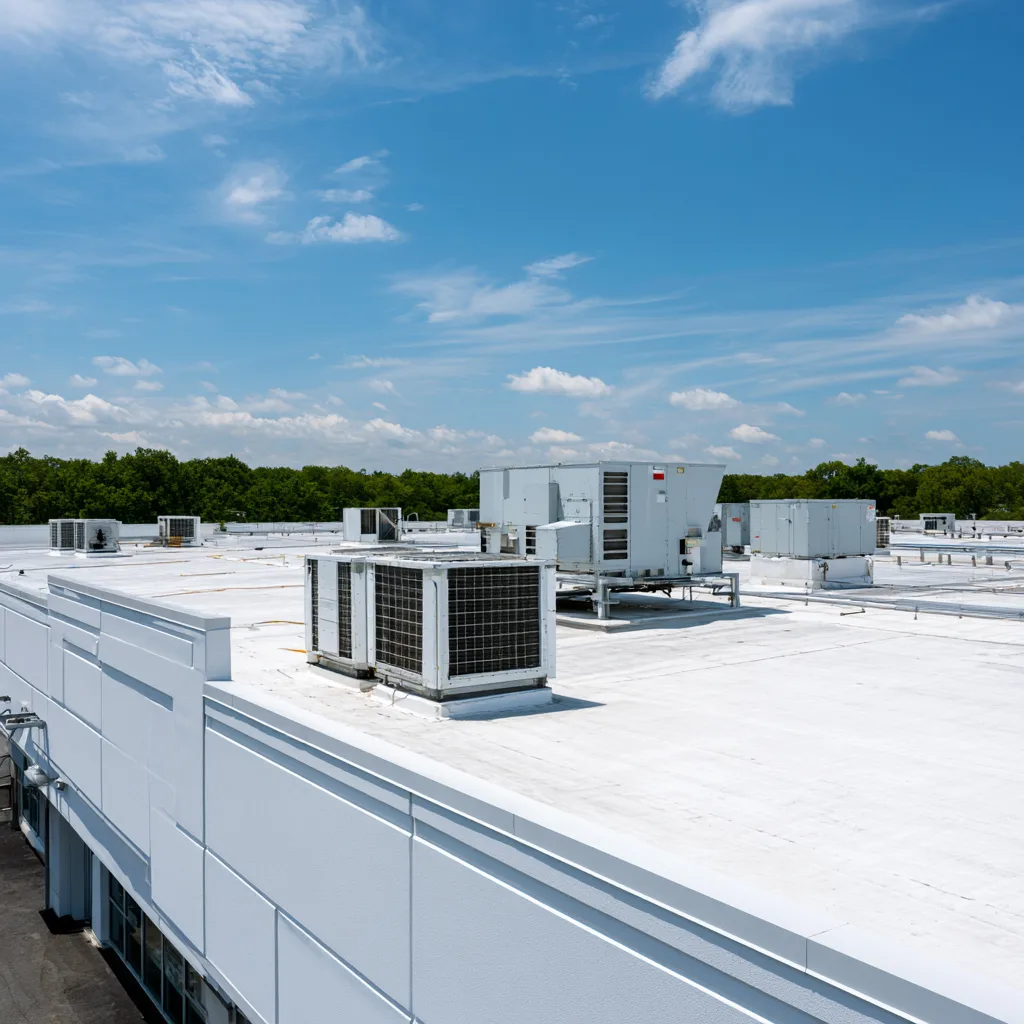
A roof file and regular attention to drainage and details help a building owner see repair needs before planning the next major project.
Commercial roof care concentrates on the surface and its interruptions: drains, scuppers, seams, curbs, flashings and routes used for equipment service. Debris or damage around those details can leave water or a new opening where the roof was intended to shed it.
The appropriate maintenance follows the installed material and current condition. The roof needs renewed attention after damaging weather, a leak or equipment work, without assuming every building needs the same service schedule.
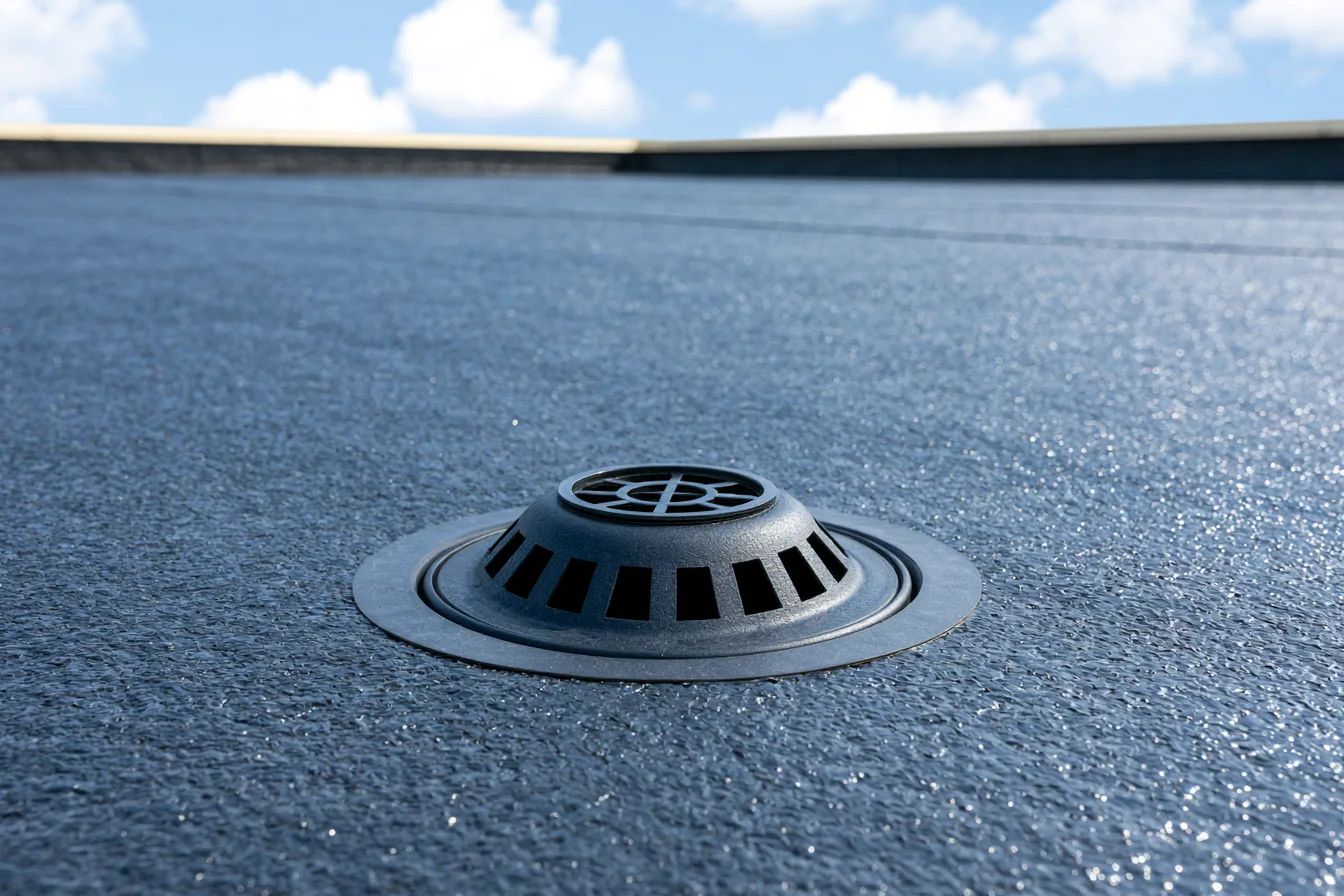
Keeping a detail clear and rebuilding a failed detail are different parts of care.
Debris and obstructions need attention so water can reach the designed outlets. If the roof still holds water, slope, drainage arrangement and assembly condition need assessment.
Opened joints, damaged flashing and deterioration need compatible repair. Maintenance does not make an unsound deck or wet insulation suitable to retain.
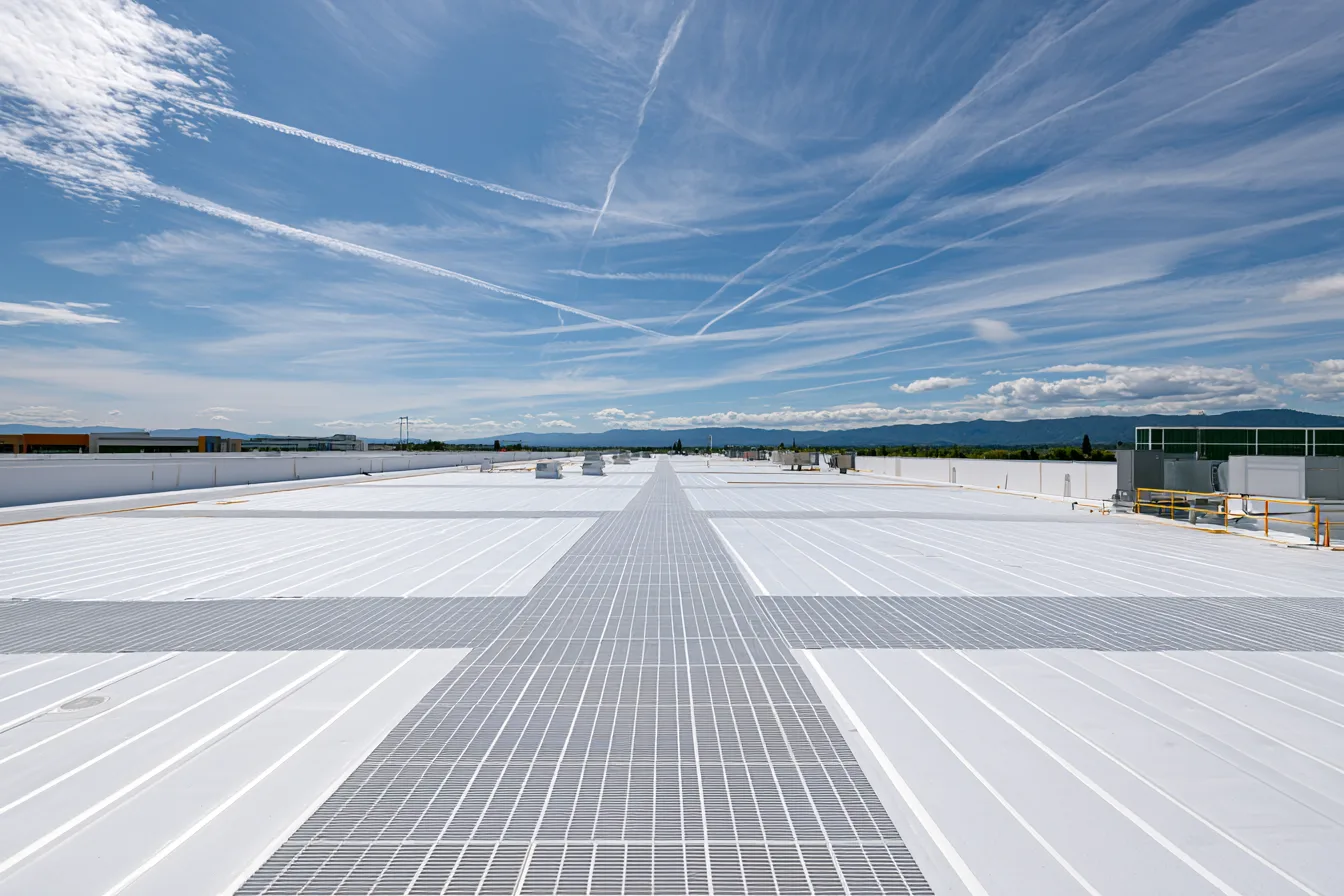
New service work can change a roof detail. Walkway condition, rooftop units and access routes need to be considered with the trade using them.
Prior roof scopes, material information, leak locations and equipment changes help put a new concern in context. The file should distinguish a temporary patch from the permanent work and identify the actual area affected.
Those records help an owner plan: a defined repair can preserve useful roofing, while an expanding pattern of wet layers or deterioration can support a replacement budget. The next inspection still establishes current condition rather than treating a past record as today’s answer.
When the roof needs more than upkeep, review commercial roof options for the repair, restoration and replacement choices.
No. Weather, material condition and changes to the building can still produce failures. Care helps identify and address conditions; it does not remove every roof risk.
It resolves an obstruction when that is the cause. Persistent standing water can require assessment of slope, outlets and the roof assembly.
Sound roofing can remain useful when appropriate repairs and care address its needs. Wet layers, unsound support or widespread deterioration need a different scope.
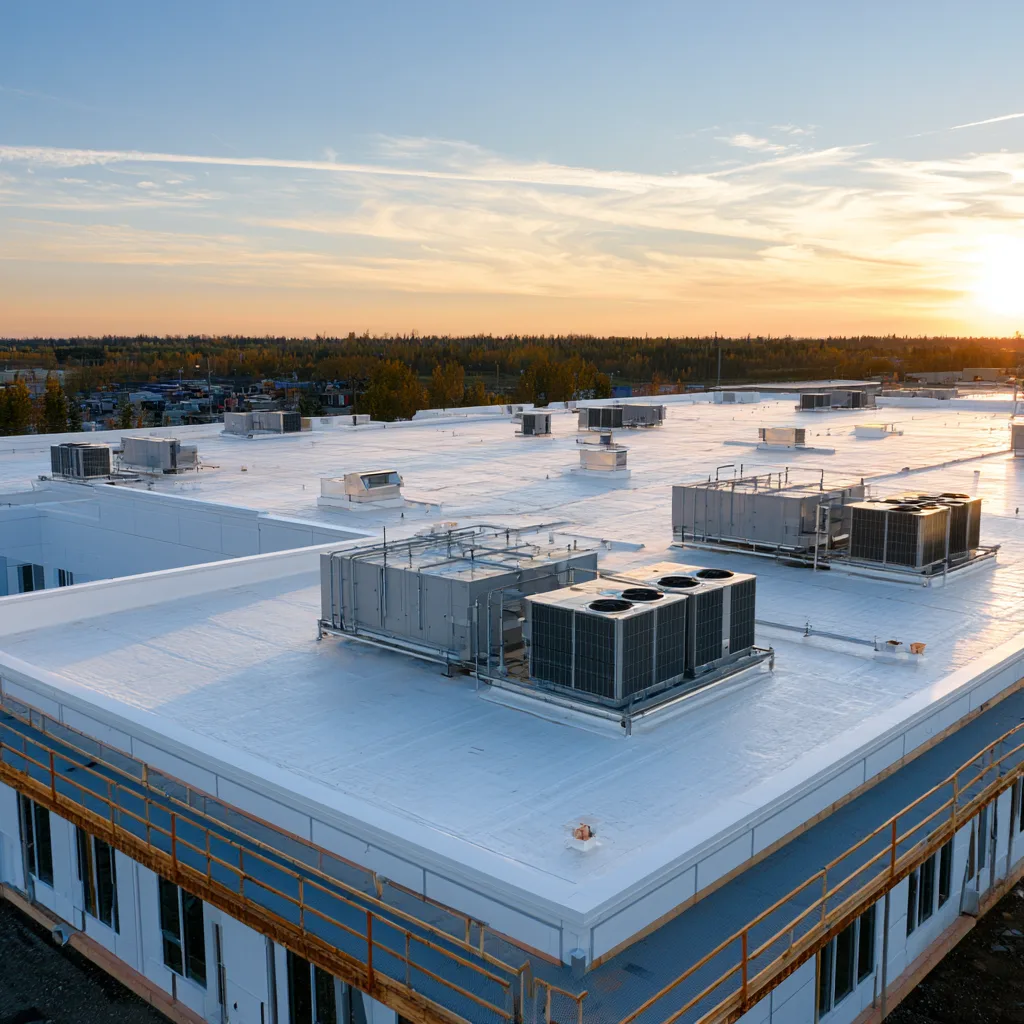
Tell us about the building, roof history and current concern. Request a free roof inspection to discuss useful care and repair.