Temporary protection
A tarp or other temporary measure can limit further water entry until permanent work is arranged. It has a temporary purpose and needs safe access. Do not climb onto the roof to install one yourself.
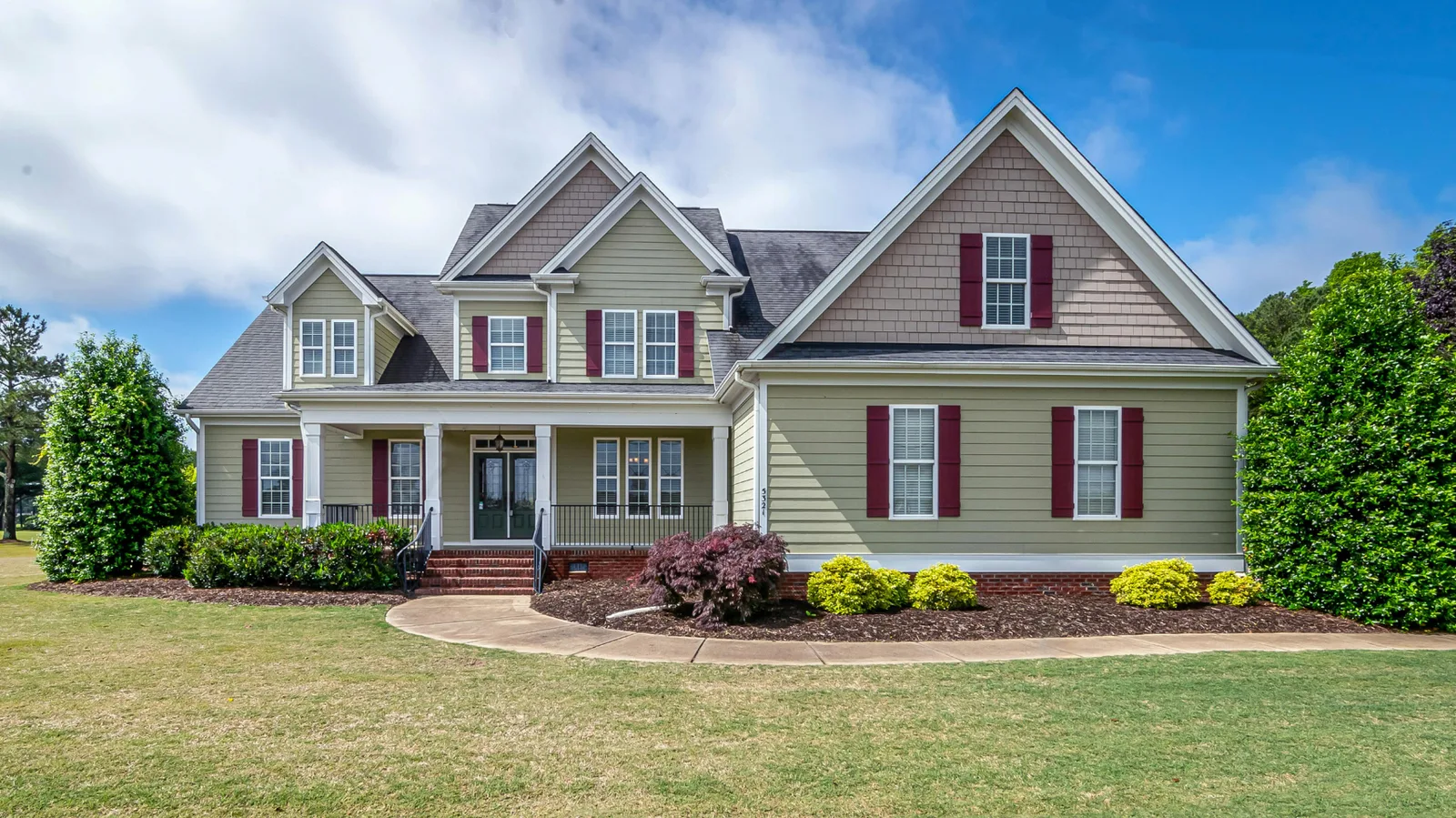
Wind or hail can change a roof in ways that need a closer look. We separate immediate protection from the permanent work and the insurance decision.
Shingles on the ground, lifted edges or water entering the building are reasons to have the roof examined. Hail marks also need interpretation in the context of the product and current condition. A storm report near the property is useful context, not a roof diagnosis.
We examine the covering and affected details, identify temporary protection needs and explain the permanent repair or replacement scope. Property history and event evidence help with timing; the inspection alone cannot attribute every condition to one storm.
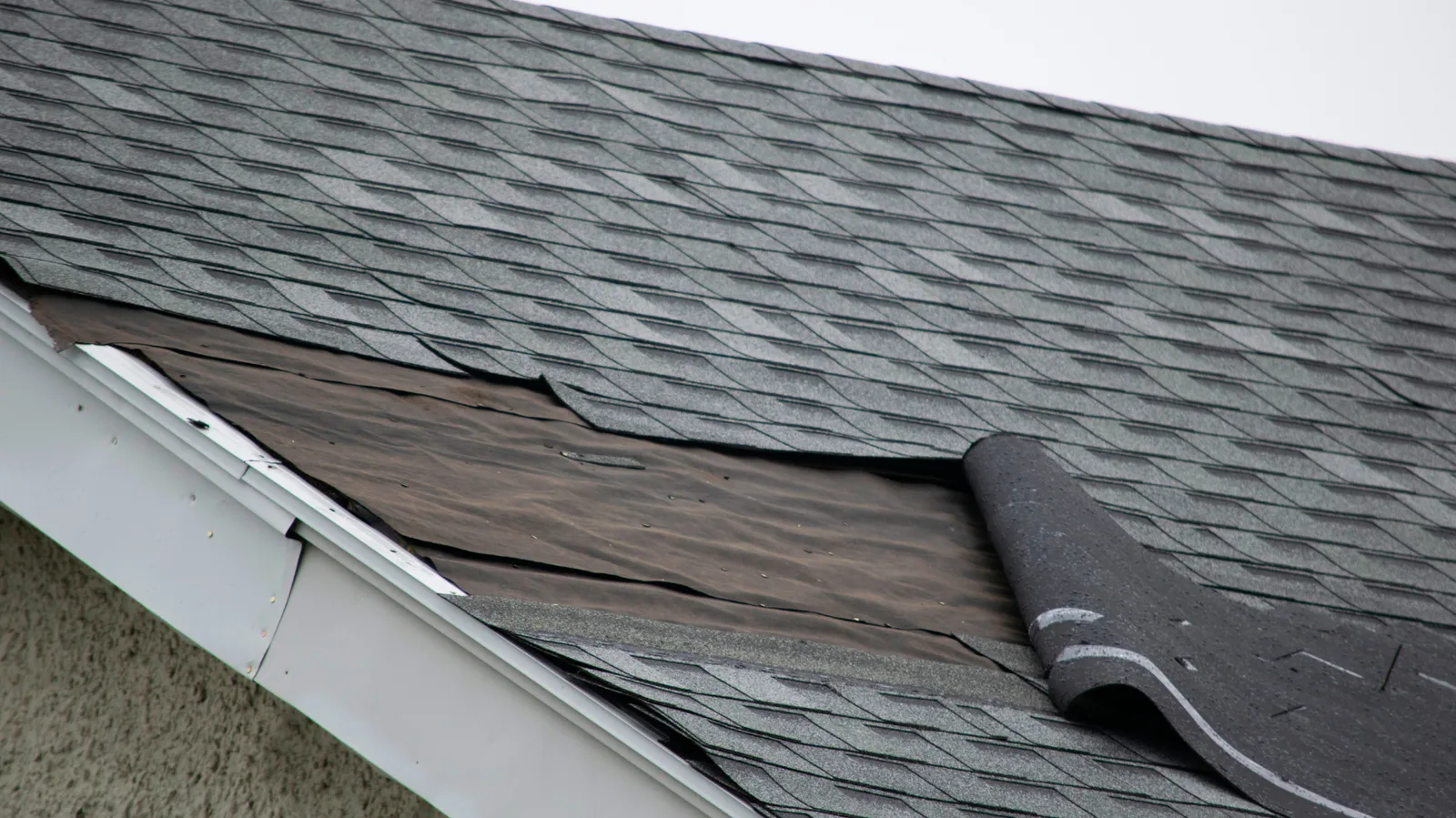
Protecting the building and restoring the assembly are different jobs.
A tarp or other temporary measure can limit further water entry until permanent work is arranged. It has a temporary purpose and needs safe access. Do not climb onto the roof to install one yourself.
Damaged shingles, opened flashing and affected supporting layers need compatible repair and sound connections. The surrounding roof’s condition determines how far the work reaches.
When deterioration or damage extends across slopes or layers, replacement becomes a useful scope comparison. The cause, coverage and contractor price remain separate questions.
A roofing scope explains work. The insurer applies the policy to the claim.
Stay clear of unstable ceilings and wet electrical areas. Tell us if water is coming in now so the temporary need is clear.
Inspect the affected roof and define the permanent work, including hidden-layer questions. Existing safe photos and the event date you noticed can inform the discussion.
Report a potential loss promptly to the insurer and follow its instructions. Deductibles, depreciation and coverage terms control the payment rather than a promise made on a roofing page.
No. A report records an event at its reported location and time. Roof condition, property history and event evidence need to be considered for the individual property.
No. Permanent work still needs to restore damaged covering, flashing and affected layers. Temporary protection is not a replacement roof.
That depends on the actual policy, cause and covered scope. The Oklahoma insurance guide explains deductible, actual-cash-value and replacement-cost terms.

Tell us the property location and what has changed. Request a free roof inspection, or call to talk about the roof.