Deck and underlayment
The support and specified underlayment need to suit the selected system. Unsound wood must be dealt with before covering it.
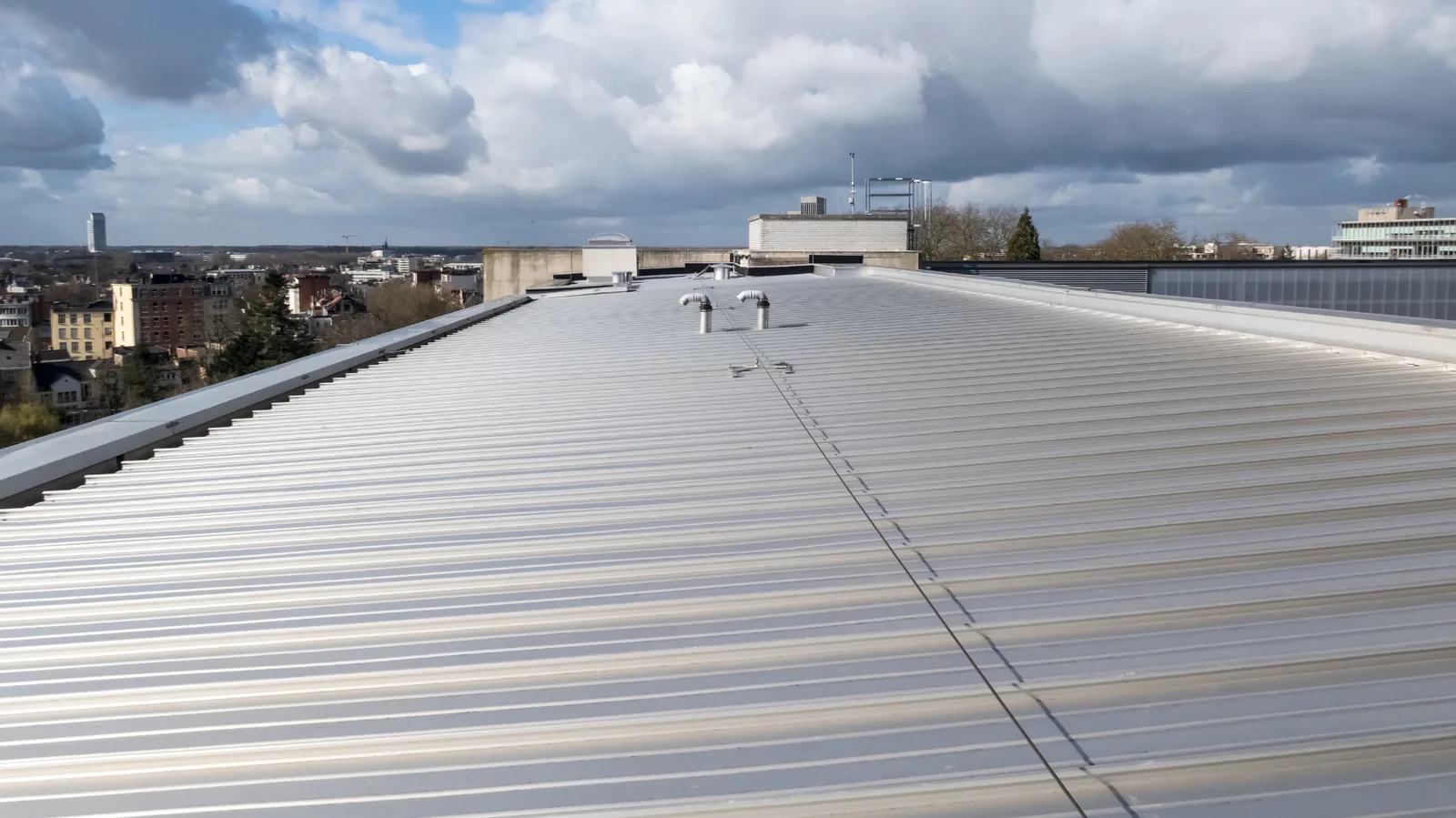
Metal roofing changes the attachment, movement and flashing details of the roof. Start with the roof shape and the system that fits it.
A metal roof is a designed panel system, not simply a different surface on the same details. Panel profile, slope, attachment, underlayment and transitions need to work together. Roof openings and edges need system-specific flashing.
The scope starts with the existing deck and covering, then considers how the selected panels attach and accommodate movement. Removal, damaged wood, unusual geometry and equipment or wall connections change the project.
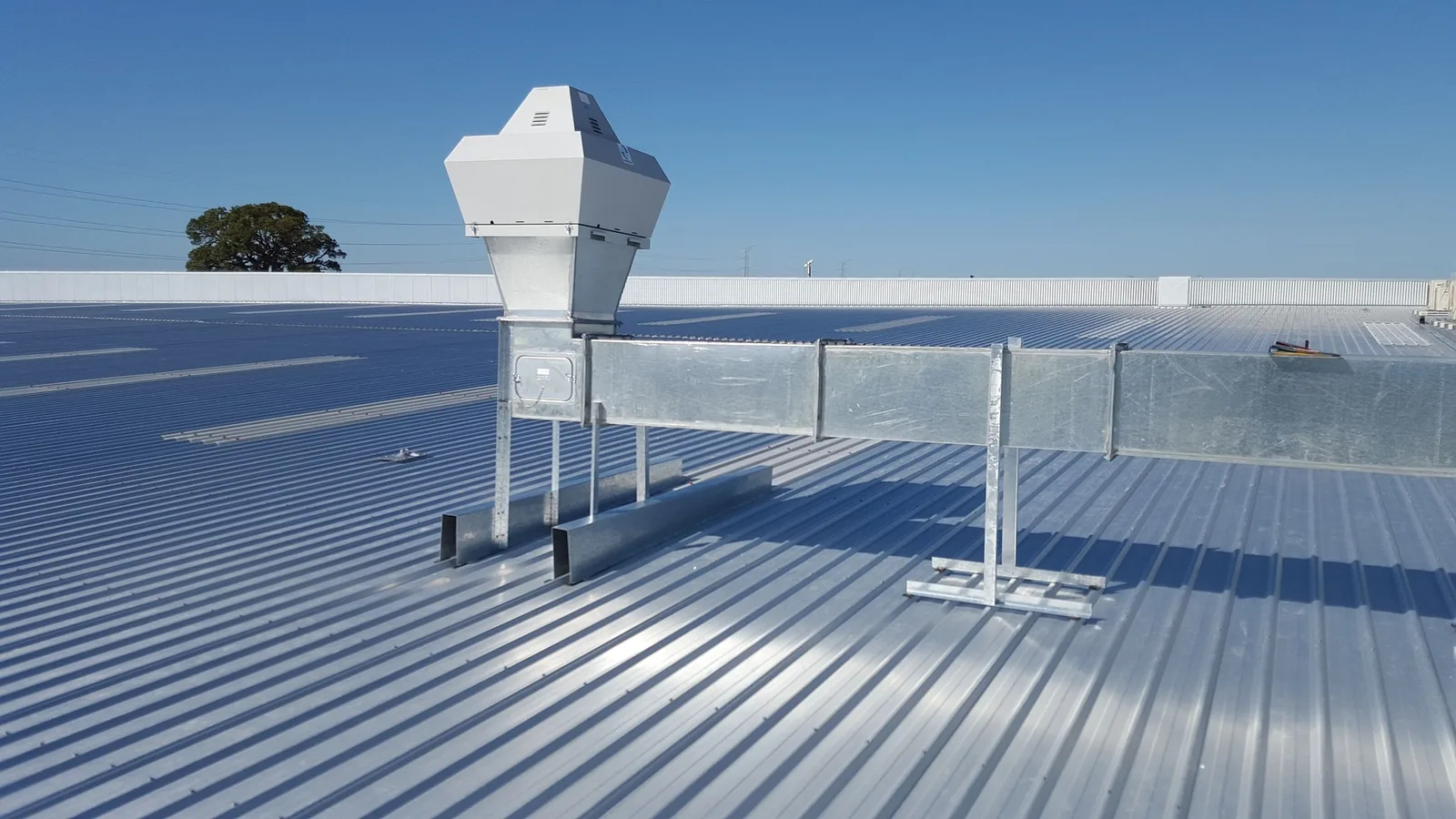
Neither attachment description by itself settles the right product for the roof.
Details determine whether the panel system continues to shed water where its field ends.
The support and specified underlayment need to suit the selected system. Unsound wood must be dealt with before covering it.
Metal expands and contracts. The system’s attachment and seam details need to account for movement rather than relying on an improvised fixed joint.
Pipes, walls, chimneys and low-slope tie-ins require compatible flashing. Maintenance follows the installed product and its actual connections, not a universal metal-roof calendar.
Initial scope, product, installation, maintenance and future conditions affect that comparison. This site’s architectural asphalt example does not price metal or establish a lifetime saving.
Yes, where the system and condition permit compatible repair. Failed fasteners, seams, panels or flashing need the appropriate detail; a general surface sealant does not replace every repair.
No. Impact behavior depends on the product, assembly and actual hail. Dents, functional damage and insurance terms are separate questions.
Tell us the property location and what has changed. Request a free roof inspection, or call to talk about the roof.