Slope and support
Asphalt shingles require at least a 2:12 roof slope, with specified underlayment details at lower permitted slopes. Sound decking and suitable attachment support the covering.
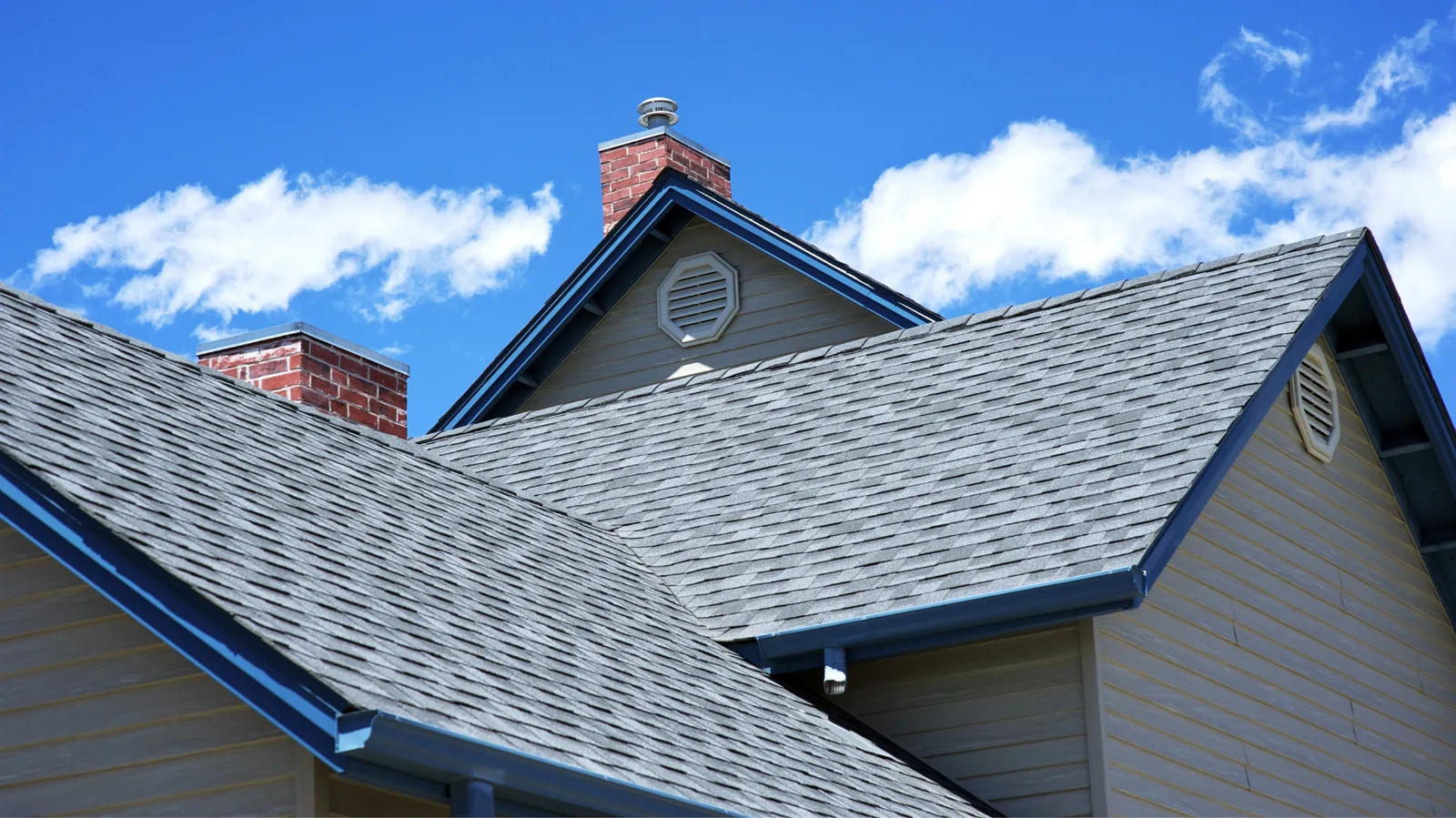
A shingle roof works through its covering, deck, underlayment and details. Choose the product and the complete assembly together.
Shingles shed rain in overlapping courses. Underlayment, deck support, fastening and flashing carry different parts of the roof’s job. A new surface cannot make rotten support or a disconnected wall joint sound.
For a repair, compatibility with retained roofing matters. For a replacement, removal exposes the deck and gives access to details that need reconnecting. The selected product, roof slope and installation requirements guide the assembly.
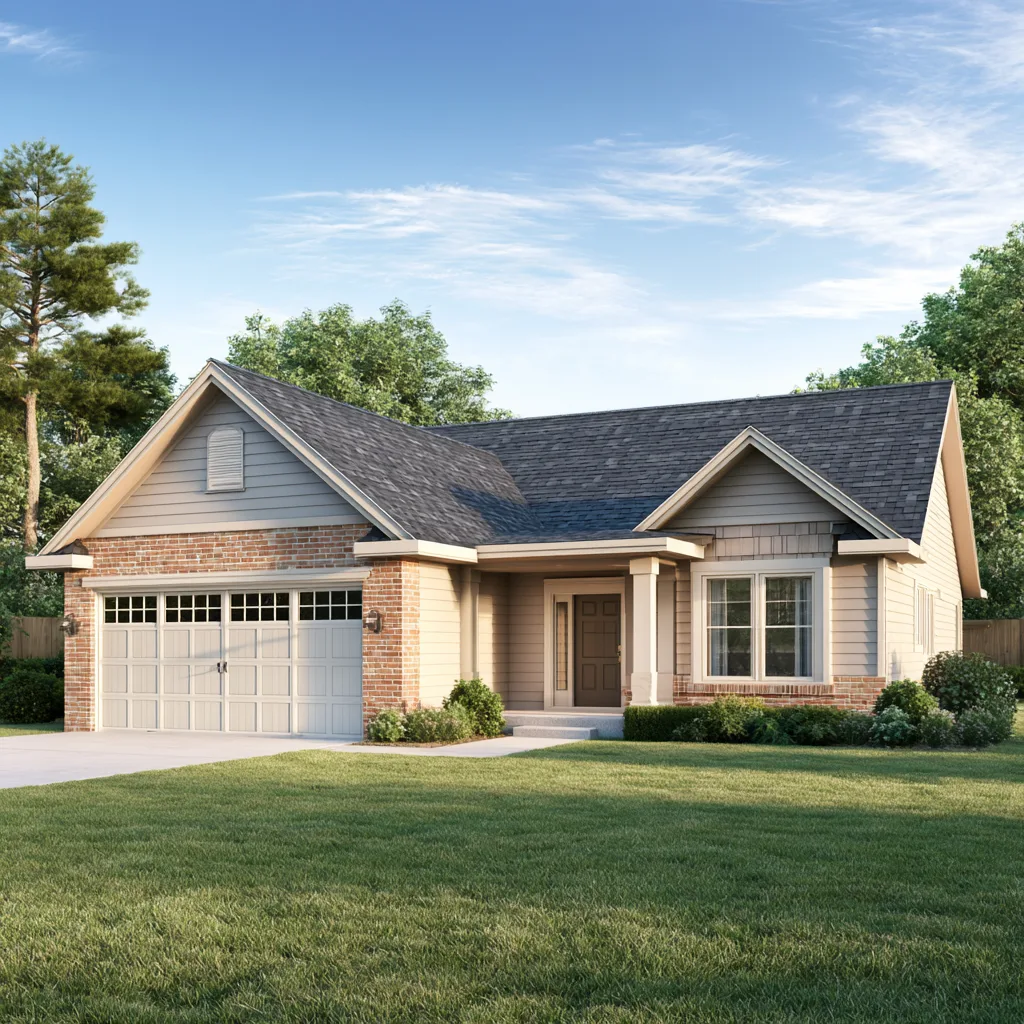
Style and impact evidence belong in separate columns of the decision.
The complete assembly has to fit the roof and manufacturer requirements.
Asphalt shingles require at least a 2:12 roof slope, with specified underlayment details at lower permitted slopes. Sound decking and suitable attachment support the covering.
Starter, field shingles, fasteners and hip or ridge caps need compatible installation. Roof edges and valleys manage water at the boundaries of those courses.
Pipe boots, walls and chimneys need sound flashing connections. Intake and exhaust need to suit the existing attic arrangement; adding vents without considering the system does not settle ventilation.
A roof below 2:12 needs a suitable low-slope system rather than asphalt shingles. The actual pitch and tie-in to the house need to be assessed.
Color is an owner choice within the selected product and any applicable property requirements. Compatibility and assembly details still govern the physical installation.
Product and workmanship terms depend on the selected manufacturer and contractor agreement. No universal warranty term is established by the shingle category.
Tell us the property location and what has changed. Request a free roof inspection, or call to talk about the roof.